Canon EOS 400D — verified second-hand unit
The entry-level DSLR that still delivers, if you accept its limits
We analyse a specific unit of the Canon EOS 400D, one of the best-selling entry-level DSLRs of its time. Good physical condition, no accessories and with the model's own limitations.
- Compact and light body for a DSLR
- Very low entry price to get started in DSLR photography
- Good physical condition on this specific unit
- 10 MP sensor with visible noise above ISO 800
- Small LCD screen with no useful Live View
- No accessories included with this unit
The Canon EOS 400D is one of those cameras that defined a generation of enthusiasts. Launched in 2006 as the successor to the 350D, it was for years the natural gateway into Canon’s DSLR system for anyone who didn’t want to spend on a higher tier. Today we find it on the second-hand market at prices around €25, and that makes it a curious option for anyone who wants to try the DSLR format without stretching their budget.
In this review we’re not talking about the model in the abstract: we’re talking about a specific unit that has been through our verification workshop. It’s a camera with almost two decades behind it, and that shows both in the good and in what you should know before buying it.
Details of this unit
| Field | Value |
|---|---|
| Shutter count | Not available |
| Battery health | Not measured |
| Condition grade | B |
| Lab observations | Good physical condition; excellent overall condition |
| Accessories included | None |
The unit arrived at the workshop with a physical appearance consistent with the assigned B grade: no visible knocks, with the logical wear from use and no accessories in the box. We have not been able to verify the number of actuations or the battery condition, which is common in models of this age where diagnostic software is not always available or the battery has already been replaced by the previous owner.
The model in general
The EOS 400D has a 10-megapixel APS-C CMOS sensor, with a vibration-based sensor cleaning system that was a novelty within the range at the time. Autofocus is Canon’s classic 9-point system from that era: enough for portraits and static scenes, but clearly outclassed by any current camera when tracking moving subjects.
Ergonomics is one of its strengths. The body is compact for a DSLR, with a grip that works well even in small hands, and a restrained weight that invites you to carry it around. The 2.5-inch LCD screen is small by today’s standards and offers no useful Live View for composition, so you have to shoot through the viewfinder, as people used to do.
The phase-detection autofocus through the mirror is still fast and accurate in good light. Indoors in low light, the centre point is the only truly reliable one.
What works
What ages best on this camera is its simplicity. The controls are direct, the menu is clear and there are no superfluous functions getting in the way. For anyone coming from a phone who wants to learn photography properly, the 400D forces you to think about exposure, ISO and aperture without distractions.
Sensor performance at low ISO (100-400) still produces perfectly usable JPEG and RAW files today. The Canon colours of that generation have a pleasing character that many users still seek out. And the price of this specific unit, €25, puts it in the “try it without fear” bracket.
The EF/EF-S mount opens the door to a huge and cheap second-hand lens pool. For a beginner, that’s worth more than any specification.
What weighs heavily with the years
We won’t hide the obvious: noise at ISO 800 and above is noticeable, and at ISO 1600 the files clearly lose detail. For indoor shooting without flash or for night photography, the camera falls short compared with any current mirrorless, even entry-level ones.
The LCD screen is small and isn’t good for precisely checking focus. The buffer is limited and burst shooting runs out quickly. And the lack of useful Live View limits use in situations where the viewfinder isn’t comfortable, such as ground-level photography or awkward positions.
On top of that, this specific unit includes no accessories: no spare battery, no charger, no strap. It’s worth checking what you need and adding it to the budget.
Who is this unit for?
This 400D makes sense for three specific profiles. First, anyone who wants to get started in photography with a real DSLR for very little money and doesn’t mind learning with limitations. Second, anyone looking for a cheap second body to use EF lenses they already own. Third, anyone who collects or wants a camera to experiment with old optics without risking expensive gear.
We don’t recommend it as a main camera for anyone doing social photography, events or any situation with changing light. Nor for anyone expecting results similar to a modern phone in difficult conditions: it won’t deliver them.
Verdict
For €25, this Canon EOS 400D is a sensible buy if you understand what it is: an entry-level DSLR that’s almost twenty years old, in good physical condition, with no accessories and with the limitations of its generation. It’s not a camera for everything, but it fulfils its role as a learning tool and as a gateway into Canon’s EF system. Anyone who buys it with realistic expectations won’t regret it.
Afiliación interna declarada. Camera Market Reviews es el blog de Camera Market. Si compras a través de este enlace lo verás en tu factura como compra directa al marketplace — no hay intermediarios ni comisiones para terceros. Lee la política completa.
Reviews relacionadas

Blackmagic Design Pocket Cinema Camera: una unidad impecable para quien busca cine RAW sin concesiones
Esta unidad concreta de la Blackmagic Pocket Cinema Camera llega en estado excelente, sin desgaste físico apreciable. Un modelo que, incluso hoy, ofrece una calidad de imagen RAW que pocas cámaras de su precio pueden igualar, aunque con limitaciones de autonomía y enfoque que hay que conocer.

Blackmagic Design Blackmagic Design Pocket Cinema 6K
Analizamos una unidad concreta de la Blackmagic Pocket Cinema 6K, una cámara de cine con sensor Super35 y montura Canon EF que ha pasado por nuestro taller. Descubre su estado real y si merece la pena en 2026.
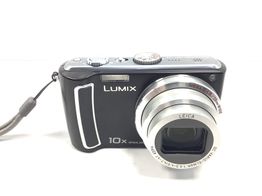
Panasonic Lumix DMC-TZ5: Una compacta travel zoom con buen estado general
Analizamos una unidad concreta de la Panasonic Lumix DMC-TZ5 que ha pasado por nuestro taller. Una compacta travel zoom de 2008 que, con 9,1 megapíxeles y un objetivo Leica 10x, sigue siendo una opción funcional para quien busca una cámara sencilla y ligera.