Nikon 1 V2
Nikon's CSC that arrived late and left early


We review a specific Nikon 1 V2 unit in grade B condition, with excellent physical condition and a price of €194. A discontinued system worth understanding before buying.
- Excellent physical condition despite the assigned grade B
- Compact, well-built body for its segment
- Restrained entry price for a CSC with a viewfinder
- Discontinued Nikon 1 system with no future roadmap
- 1-inch CX sensor with clear limitations in low light
- No shutter count or battery health data for this unit
The Nikon 1 V2 was the second iteration of the V series within the Nikon 1 system, the brand’s bet on a small-sensor mirrorless format that never quite found its place. It reached the market to compete in a segment that other brands were defining with larger sensors and a clearer roadmap. Nikon kept the system going for a few years and then abandoned it without a transition, which turns any unit that passes through our workshop today into a piece with a technical expiry date.
In this review we are not talking about the model in the abstract: we are talking about the specific unit we have in inventory, with an internal reference and a verification history behind it. We want to explain what this camera is, how the model behaves in general and what it means to buy a unit like this today.
Data for this unit
| Field | Value |
|---|---|
| Shutter count | Not available |
| Battery health | Not available |
| Condition grade | B |
| Lab observations | Excellent physical condition; no issues reported in the physical inspection |
| Accessories included | Not specified in the unit listing |
| Sale price | €194 |
One detail is worth pausing on: the unit is listed as grade B, but the lab observation indicates excellent physical condition. That apparent contradiction is common in our grading system, where grade B may reflect criteria such as age, missing original accessories or the absence of verifiable usage data, rather than visible defects. In this case, what the workshop has seen is a camera with no physical issues.
What we do not have is information on the shutter count or the battery condition. These are two data points we normally try to provide, but they are not available for this unit. Anyone interested in it should assume that uncertainty and, if possible, check the actual battery condition before purchase, because with a discontinued system, finding original spare parts is not trivial.
The model in general
The Nikon 1 V2 uses a 1-inch CX sensor, with a crop factor of approximately 2.7x relative to full frame. That size shapes everything: depth of field is greater, performance in low light is limited and dynamic range falls below what APS-C or full-frame sensors of the same era offer. This is not a manufacturing defect, it is a design decision that defined the Nikon 1 system from the outset.
The autofocus system was one of the points Nikon promoted most at the time, with hybrid phase detection and fast shooting modes. In practice, for moderate action photography and everyday use it works reasonably well, although it does not live up to what is expected of a CSC today. The body’s ergonomics are compact, with a grip that falls short for large hands and a built-in electronic viewfinder that, for its category and era, does the job.
The model’s structural weak point is not the camera itself, but the system: Nikon discontinued the Nikon 1 series and there is no development of lenses or bodies. The available lens pool is what was manufactured at the time, and finding units of the 10-30 mm or 30-110 mm in good condition requires patience. Anyone who buys this camera is also buying a closed ecosystem.
What works
The V2’s body is well built for what was its segment. The unit we have in the workshop feels solid, with no play or noticeable wear, and the excellent physical condition reported by the lab supports that impression. For anyone who values compactness over absolute image quality, it is a camera that carries effortlessly and does not draw attention.
The built-in electronic viewfinder is another point in its favour compared with other entry-level CSCs that gave it up. And the price of this unit, €194, is in line with the market average over the last 30 days for this model, which indicates that this is not an overvalued unit.
What weighs on it over the years
The 1-inch sensor is the most obvious limitation. Indoors or in low light, noise appears early and the margin for shadow recovery is narrow. For landscape in abundant light or for daytime use, it holds up; for anything that demands high ISO, it does not.
The discontinued system is the second burden. There are no new lenses, no relevant firmware updates and official technical support is limited. Buying a Nikon 1 V2 today means buying a camera that works, but that has no future as a platform. And the absence of shutter count and battery health data for this specific unit adds a layer of uncertainty that the buyer must accept.
Who is this unit for?
Two very specific profiles. The first, anyone looking for a small camera with a viewfinder for occasional use, with realistic expectations about sensor performance and no intention of building a system around it. The second, the collector or enthusiast of discontinued gear who values owning a physical unit in good condition from a system that is no longer manufactured.
It is not aimed at anyone who needs a living system, easily available lenses or competitive low-light performance. Nor at anyone who wants certainty about previous wear: we do not have that for this unit.
Verdict
A physically impeccable unit of a closed system. At €194, the price is consistent with the market, but the purchase only makes sense if you understand what you are buying: a compact CSC with a viewfinder, a small sensor and no future roadmap. For that profile, it delivers; for any other, it is worth looking towards systems with a roadmap.
Afiliación interna declarada. Camera Market Reviews es el blog de Camera Market. Si compras a través de este enlace lo verás en tu factura como compra directa al marketplace — no hay intermediarios ni comisiones para terceros. Lee la política completa.
Reviews relacionadas

Blackmagic Design Pocket Cinema Camera: una unidad impecable para quien busca cine RAW sin concesiones
Esta unidad concreta de la Blackmagic Pocket Cinema Camera llega en estado excelente, sin desgaste físico apreciable. Un modelo que, incluso hoy, ofrece una calidad de imagen RAW que pocas cámaras de su precio pueden igualar, aunque con limitaciones de autonomía y enfoque que hay que conocer.

Blackmagic Design Blackmagic Design Pocket Cinema 6K
Analizamos una unidad concreta de la Blackmagic Pocket Cinema 6K, una cámara de cine con sensor Super35 y montura Canon EF que ha pasado por nuestro taller. Descubre su estado real y si merece la pena en 2026.
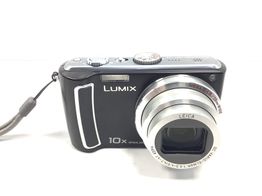
Panasonic Lumix DMC-TZ5: Una compacta travel zoom con buen estado general
Analizamos una unidad concreta de la Panasonic Lumix DMC-TZ5 que ha pasado por nuestro taller. Una compacta travel zoom de 2008 que, con 9,1 megapíxeles y un objetivo Leica 10x, sigue siendo una opción funcional para quien busca una cámara sencilla y ligera.