Nikon D3500
The DSLR gateway that Nikon no longer makes
We review a specific Nikon D3500 unit graded B with excellent physical condition. A simple, lightweight entry-level DSLR that is still very much relevant for learning.
- Very light body and simple ergonomics for beginners
- 24 MP APS-C sensor with good dynamic range in RAW
- Long battery life for an entry-level DSLR
- No tilting or touchscreen display
- No hot shoe with contacts for advanced external TTL flash
The Nikon D3500 is the last entry-level DSLR Nikon brought to market before retreating to the Z system. This is a camera with a deliberately simple concept: APS-C sensor, classic F mount, minimal controls and a body that weighs very little. It doesn’t aim to be a professional tool, but rather the most direct gateway to the DSLR format for anyone who wants to learn photography with an optical viewfinder and an interchangeable lens.
In the workshop we’ve had a specific unit of this model, graded B and with a physical condition that the lab describes as excellent. That is, a used camera that has passed through our hands and that, at body level, shows no notable issues. Today we review it as what it is: a specific inventory unit, not a theoretical spec sheet of the model.
It’s worth clarifying from the outset what buying a D3500 means today. Nikon no longer makes it, so everything in circulation is second-hand market. That makes the actual condition of each unit matter more than the spec sheet. That’s why in this review we separate what the model is in general from what we’ve seen in this particular unit.
Data for this unit
| Data | Value |
|---|---|
| Shutter count | Not available |
| Battery health | Not available |
| Condition grade | B |
| Lab observations | Excellent physical condition |
| Accessories included | Not specified |
There are two boxes we can’t fill with data: the shutter count and battery health. It’s not an oversight, it’s what we have. On a DSLR of this level the counter isn’t always accessible without specific software, and the battery behaves as a consumable. What we do know is that the overall physical condition has been assessed as excellent, which is the most relevant information for a camera in this segment.
The model in general
The D3500 packs a 24-megapixel APS-C sensor without a low-pass filter, the same type of sensor Nikon had been using in its entry-level range for years. In RAW it offers reasonable dynamic range for its category: shadows and highlights can be recovered with some margin, always within what’s expected from a sensor of this size and generation. In straight JPEG the colours are pleasant and not overly aggressive, with a neutral profile that works well for beginners.
The autofocus system is where the model shows its entry-level status. It’s an 11-point module, with a single cross-type central point. It works well in good light and with subjects that don’t move fast, but it isn’t designed for sports or demanding continuous tracking. Live view mode, moreover, relies on slow contrast detection that in practice we’d advise against for anything that isn’t static.
In ergonomics, the D3500 is a small and light body. The grip is sufficient for the size of the setup with the kit lens, but falls short if a heavy lens is mounted. The construction is plastic, consistent with the price, and the controls are minimal: there are no customisable buttons or dual dials. The philosophy is clear: let the user learn with the essentials and not get lost in menus.
What works
The first thing that stands out is the lightness. It’s a camera you carry without thinking about it, and in learning photography that matters more than it seems: the camera that doesn’t weigh much is the one that leaves the house. The optical viewfinder, moreover, remains a pedagogical advantage over electronic screens for understanding how exposure works.
Battery life is another strong point. Nikon quoted a very high shots-per-charge figure for its category, and in practice a battery in good condition lasts full days without recharging. It’s one of the reasons it still makes sense as a first camera or as a second travel body.
The 24 MP sensor produces files with cropping margin and an image quality that, with good light and a decent lens, doesn’t look out of place next to much more expensive cameras. The F mount, furthermore, opens access to a huge second-hand lens pool at restrained prices.
What weighs on it over the years
It has to be said plainly: the D3500 lacks a tilting screen and a touchscreen. For still photography it doesn’t matter, but for video or awkward angles it limits you. Video, in fact, is Full HD with no further ambitions; anyone looking to shoot with this camera should assume they’re buying a fundamentally photographic tool.
The absence of a hot shoe with full TTL contacts for advanced external flashes also conditions the user’s growth towards lighting. And the 11-point autofocus, while sufficient for learning, falls short as soon as you try to photograph movement with any degree of demand.
Add to this the context: it’s a discontinued model. There will be no new firmware or Nikon support in the medium term, and batteries and accessories will have to be sourced on the second-hand market. It’s not a serious problem, but it’s worth knowing before buying.
Who is this unit for?
This specific unit is for anyone who wants to get started in photography with a DSLR without spending much and without complications. The grade B with excellent physical condition fits a learning use: someone who’s going to do their first outings, practise with the exposure triangle and discover whether photography grabs them. It can also serve as a light second body for anyone who already has Nikon F gear and wants something small to carry around.
We don’t recommend it for anyone looking for video, for anyone who needs a tilting screen or for anyone who regularly photographs action. In those cases there are more suitable alternatives, even if they cost more.
Verdict
The D3500 remains one of the most honest ways to get into DSLR photography. This unit, graded B with excellent physical condition, represents well what can be expected from the second-hand market: a used camera, with no notable body issues, with the model’s own limitations and at a restrained price. If the goal is to learn with an optical viewfinder and a mount with plenty of options, it’s a sensible purchase. If the goal is something else, better to look elsewhere.
Afiliación interna declarada. Camera Market Reviews es el blog de Camera Market. Si compras a través de este enlace lo verás en tu factura como compra directa al marketplace — no hay intermediarios ni comisiones para terceros. Lee la política completa.
Reviews relacionadas

Blackmagic Design Pocket Cinema Camera: una unidad impecable para quien busca cine RAW sin concesiones
Esta unidad concreta de la Blackmagic Pocket Cinema Camera llega en estado excelente, sin desgaste físico apreciable. Un modelo que, incluso hoy, ofrece una calidad de imagen RAW que pocas cámaras de su precio pueden igualar, aunque con limitaciones de autonomía y enfoque que hay que conocer.

Blackmagic Design Blackmagic Design Pocket Cinema 6K
Analizamos una unidad concreta de la Blackmagic Pocket Cinema 6K, una cámara de cine con sensor Super35 y montura Canon EF que ha pasado por nuestro taller. Descubre su estado real y si merece la pena en 2026.
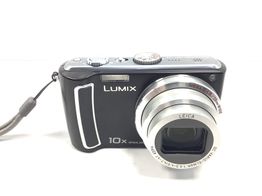
Panasonic Lumix DMC-TZ5: Una compacta travel zoom con buen estado general
Analizamos una unidad concreta de la Panasonic Lumix DMC-TZ5 que ha pasado por nuestro taller. Una compacta travel zoom de 2008 que, con 9,1 megapíxeles y un objetivo Leica 10x, sigue siendo una opción funcional para quien busca una cámara sencilla y ligera.