Panasonic Lumix DMC-GM1
The smallest Micro Four Thirds camera, with its compromises


We review a Grade B GM1 unit that arrived at the workshop with an immaculate body. A camera that gives up ergonomics to fit in any pocket.
- Exceptionally compact size and weight for a mirrorless camera with a Micro Four Thirds sensor
- Metal body with a solid finish and good feel
- Image quality from the 16 MP sensor is more than enough for urban and travel use
- Minimal ergonomics: no grip, and the controls are very close together
- No flash hot shoe and no electronic viewfinder
- Limited battery life and no in-body stabilisation
The Lumix DMC-GM1 is one of those cameras Panasonic launched to show just how far it could push the Micro Four Thirds format. Its proposition was clear: fit a 16 MP sensor into a body you could carry in a jacket pocket without noticing it. It is not a camera for everything, nor does it pretend to be. It is a street and light-travel tool that gives up things other mirrorless cameras take for granted.
We have had several units of this model in the workshop, and the one we are looking at today arrived in an overall condition worth detailing. It is a Grade B unit according to our classification, with a sale price of 354 euros. The market context for the last 30 days puts the average at 419 euros, and at the time of writing this review there are two units available on the circuit. In other words, this is a unit below the recent market average.
Data for this unit
| Parameter | Value |
|---|---|
| Shutter count | Not available |
| Battery health | Not available |
| Condition grade | B |
| Lab observations | Physical condition: excellent. No issues reported with sensor, AF, video or screen. |
| Accessories included | Not specified |
| Sale price | 354 EUR |
| Market average (30 days) | 419 EUR |
The unit arrived with the body in excellent condition according to the physical inspection. We have no shutter count or battery health data, which is common in cameras of this segment where the end user does not always record that information. What we do know is that the lab reported no issues with the sensor, autofocus, video or screen. The Grade B rating reflects the absence of accessories and the logical wear of a camera with years behind it rather than specific functional defects.
The model in general
The GM1 has a 16 MP Micro Four Thirds sensor without a low-pass filter, the same one Panasonic used in several mid-range cameras of the era. Performance in good light is solid: well-interpreted colours, correct dynamic range for the format and high-ISO behaviour that holds up to 1600 without too much visible noise. Above that, grain starts to show, but it is a sensor that still produces usable files if we do not expect miracles.
The autofocus is contrast-detection, with 23 selectable points. For static subjects it works well, with reasonable speed for the era. In tracking moving subjects it falls short, and that is something worth being clear about before buying it. It is not a camera for sport or wildlife. For street, slow-paced portraits and travel, it does the job without problems.
Ergonomics is where the GM1 makes its most radical decision. The body measures just 98.5 x 54.9 x 30.4 mm and weighs 204 grams with battery. That translates into a non-existent grip, controls very close together and a rear dial that can feel uncomfortable in large hands. There is no flash hot shoe, no electronic viewfinder and no in-body stabilisation. Panasonic prioritised size, and everything else was subordinated to that decision.
What works
Size is the main argument, and it is still hard to match. With the 12-32 mm kit lens, the whole setup fits in a jacket pocket without being noticed. For anyone who prioritises carrying the camera without it weighing them down, this is still one of the most coherent options on the second-hand market.
The metal body conveys a sense of solidity that does not match its weight. The construction is well resolved, with careful finishes and the feel of a well-finished product. In the unit we reviewed, the excellent physical condition confirms that the passage of time has not been especially cruel to this model.
The image quality from the 16 MP sensor is still competitive for the use it is intended for. RAW files with editing headroom, well-processed JPEGs and performance in favourable light that does not disappoint. For street and travel, it is more than enough.
What weighs it down over the years
The absence of an electronic viewfinder is a real limitation outdoors in bright light, where the screen becomes a mirror. It is not a new flaw, but it remains the most uncomfortable point for anyone coming from cameras with a viewfinder.
Battery life is limited. Panasonic claims around 220 shots per charge, and in practice it is worth carrying a second battery if you are heading out for a serious day of street shooting. The unit we are looking at does not include battery health data, so it is worth checking that aspect before using it as a main camera.
The lack of in-body stabilisation means relying on stabilised lenses or conservative shutter speeds. With the 12-32 mm kit lens, which is stabilised, this is partly offset, but it is not the same as a body with IBIS.
Who is this unit for?
This particular unit is aimed at anyone looking for a street or light-travel camera, who values size above all else and who does not need a viewfinder or an advanced autofocus system. It can also make sense for anyone wanting a small second body to complement a larger Micro Four Thirds system, making use of the lenses they already have.
It is not a camera for anyone coming from a DSLR and expecting similar ergonomics, nor for anyone who needs subject tracking or a viewfinder to work outdoors in harsh light. Nor for anyone who wants a main camera without worrying about the battery.
The price of 354 euros is below the market average for the last 30 days, which stands at 419 euros. With two units available, it is a reasonable option if the excellent physical condition is confirmed in the pre-purchase inspection.
Verdict
The Lumix GM1 is a camera with a radical concept that still makes sense for a very specific use: carrying a quality mirrorless camera in your pocket without it weighing you down. This Grade B unit, with the body in excellent condition and no reported functional issues, is a coherent option for anyone who accepts its compromises. It is not a camera for everyone, but for anyone who fits its proposition, it is still hard to replace.
Afiliación interna declarada. Camera Market Reviews es el blog de Camera Market. Si compras a través de este enlace lo verás en tu factura como compra directa al marketplace — no hay intermediarios ni comisiones para terceros. Lee la política completa.
Reviews relacionadas

Blackmagic Design Pocket Cinema Camera: una unidad impecable para quien busca cine RAW sin concesiones
Esta unidad concreta de la Blackmagic Pocket Cinema Camera llega en estado excelente, sin desgaste físico apreciable. Un modelo que, incluso hoy, ofrece una calidad de imagen RAW que pocas cámaras de su precio pueden igualar, aunque con limitaciones de autonomía y enfoque que hay que conocer.

Blackmagic Design Blackmagic Design Pocket Cinema 6K
Analizamos una unidad concreta de la Blackmagic Pocket Cinema 6K, una cámara de cine con sensor Super35 y montura Canon EF que ha pasado por nuestro taller. Descubre su estado real y si merece la pena en 2026.
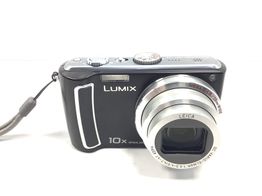
Panasonic Lumix DMC-TZ5: Una compacta travel zoom con buen estado general
Analizamos una unidad concreta de la Panasonic Lumix DMC-TZ5 que ha pasado por nuestro taller. Una compacta travel zoom de 2008 que, con 9,1 megapíxeles y un objetivo Leica 10x, sigue siendo una opción funcional para quien busca una cámara sencilla y ligera.